

Sexual wellness has long existed at the margins of mainstream beauty and wellness conversations. Today, that is changing rapidly — driven by cultural openness, science, and a broader redefinition of wellbeing.
The sexual wellness market is set to double — so why is intimacy the new black?
Sexual wellness is no longer a side note in the wellbeing landscape. It is one of the fastest-growing segments of the global wellness market, expanding more rapidly than traditional cosmetics categories.
According to market analyses, the global sexual wellness and intimate products market was valued at approximately USD 25 billion in 2024 and is projected to grow to nearly USD 45 billion by 2032. In practical terms, this means the market is almost doubling in less than a decade.
This growth is not driven by a single trend, but by a broader cultural shift in how we understand the body, health, and pleasure.
Sexual wellness is reshaping the wellbeing market
For a long time, sexuality and pleasure were kept separate from mainstream wellbeing conversations. Health was measured through performance, discipline, and control, while pleasure was seen either as a private matter or as light entertainment. That divide is now breaking down: sexual wellbeing is finally being taken seriously.
More people are recognising pleasure as an essential part of holistic health — particularly when it comes to women’s wellbeing. Sexual wellness is increasingly connected to nervous system regulation, stress management, and mental health.
Generations are driving the shift
Younger generations in particular have played a key role in accelerating this change. Gen Z and millennials talk about sexual health more openly than previous generations — but more importantly, in a different tone. Studies show that over 60% of Gen Z considers sexual health a core component of overall wellbeing.
This shift is now clearly visible in global consumer behaviour, branding, and health discourse. Intimate products are expected to meet the same standards as skincare and cosmetics: thoughtful formulation, refined aesthetics, and transparent communication.
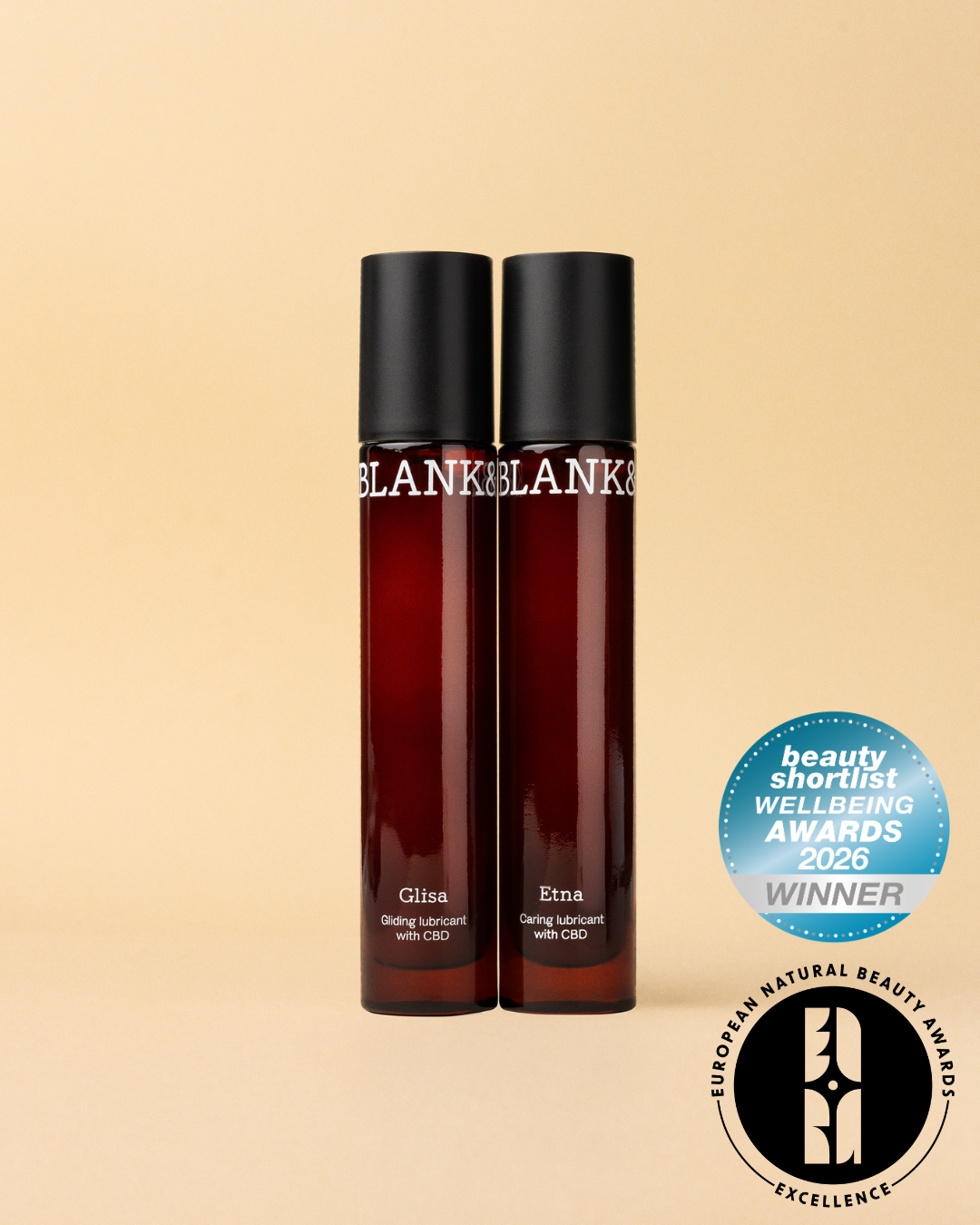
The change is especially evident in the lubricant category. Many consumers are actively looking for lubricants that do not sting or contain harsh chemicals.
ExpoloreBlank&’s caring lubricants
Read also: Does sex hurt? That’s why we added CBD extract to our lubricant
Public conversation reinforces the movement
Market growth is also reflected in how products are formulated and designed. There is a clear shift away from synthetic chemicals toward more plant-based and naturally derived ingredients. At the same time, visual language has evolved — from clinical white tubes hidden in bedside drawers to products designed to be an aesthetic part of the home.
The rise of sexual wellness is also visible in mainstream culture. International public figures — from Harry Styles to Gwyneth Paltrow — have openly incorporated the topic into their wellbeing narratives, with some even launching their own intimate product lines. When sexual wellness is discussed openly in pop culture, it lowers the threshold for everyday conversation as well.
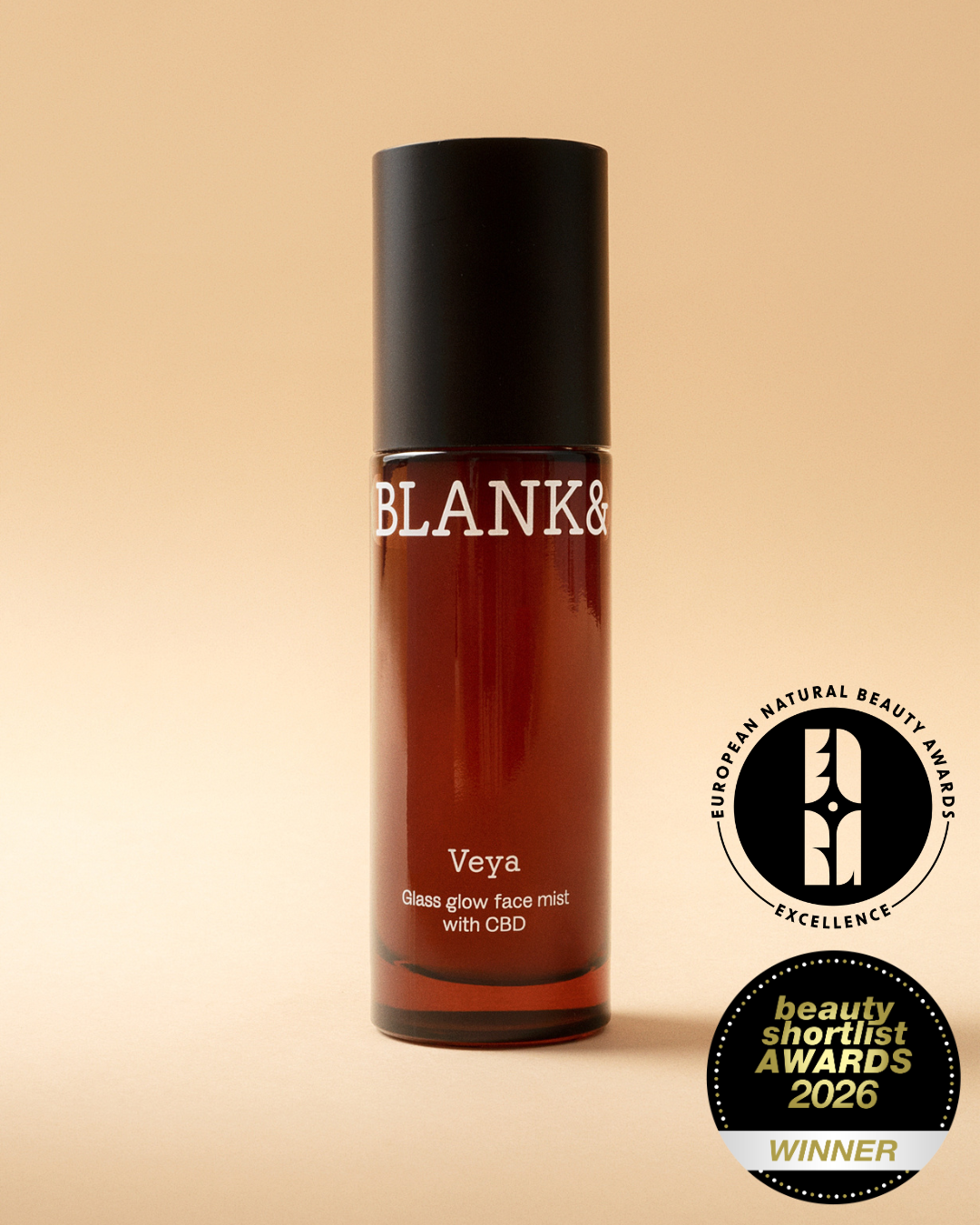
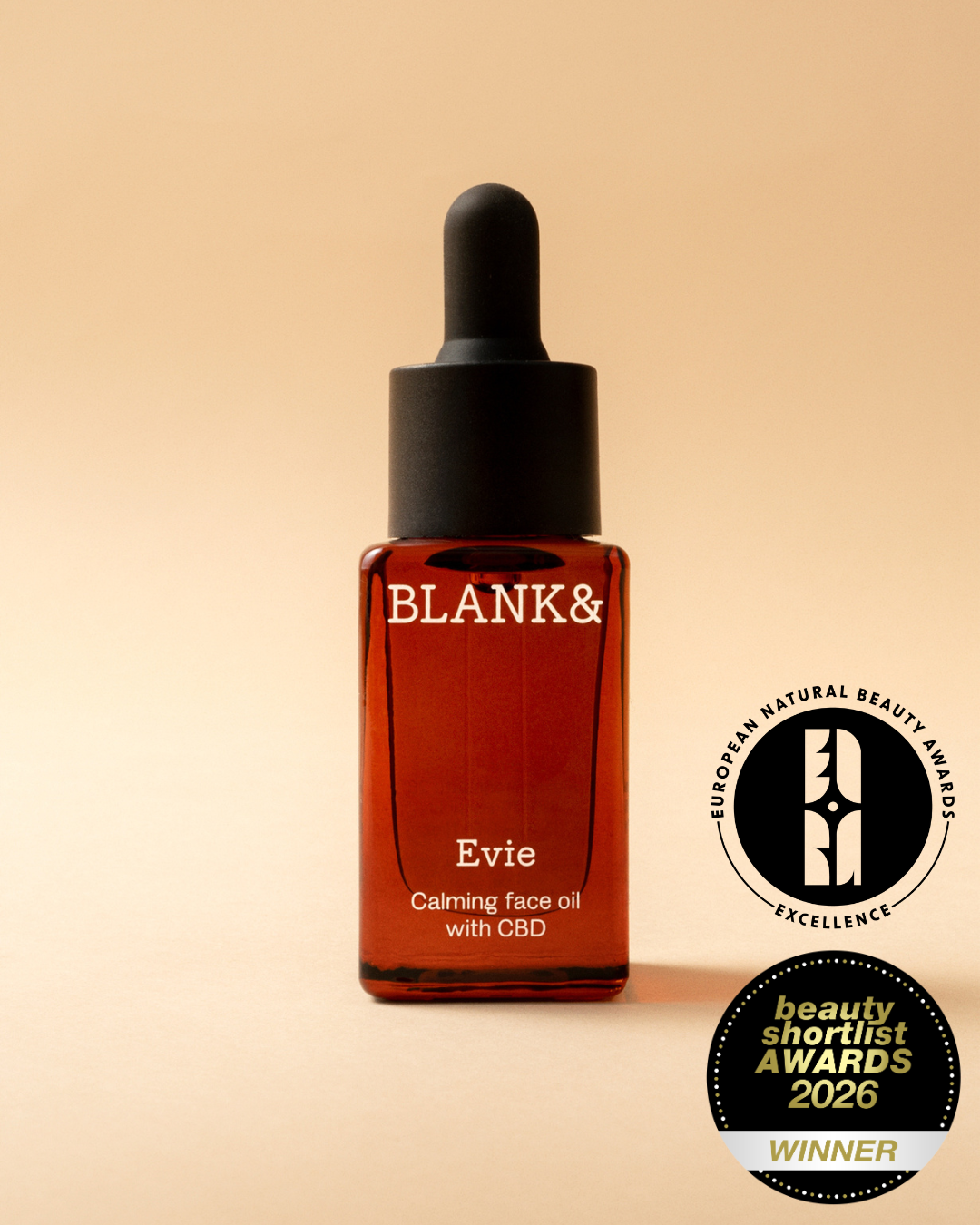
Blank& was born into this shift. From the belief that intimate wellbeing deserves the same level of respect, care, and quality as any other form of body care. As sexual wellness moves from the margins to the mainstream, it is no longer a trend.
It is the new normal.

0 comments