

The same CBD product can be totally fine in one country and illegal in the next. Why so?
If you've ever tried to order CBD (cannabidiol) products from abroad, or wondered why your friend in Germany can buy CBD oil as a supplement but you can't do the same in Finland, you're not alone. CBD regulation is one of the most confusing topics in the wellness world. The rules vary wildly depending on where you are, what type of product it is, and how the local authorities choose to classify it.
It all starts with one question: cosmetic or supplement?
This is the single biggest factor that determines what's allowed and what's not. CBD cosmetics and CBD supplements follow completely separate legal paths.
Cosmetics (skincare, balms, body oils) are regulated in the EU under the Cosmetics Regulation. Products need to pass safety assessments, be properly labelled, and get registered through the EU's notification system. It's a clear process, and CBD cosmetics are widely available across Europe. Cannabidiol has been an approved ingredient in cosmetics in the EU since 2021 and is listed in the CosIng database.

Supplements and food products are more complicated. In the EU, CBD is classified as a "novel food," which means it wasn't commonly consumed before 1997, so it needs special authorisation from the European Food Safety Authority (EFSA). Over 100 companies have applied for this authorisation. Not a single one has been approved yet. At the same time, we are living in a reality where the EU Court of Justice ruled (in 2020) that CBD is neither a narcotic nor a health risk — which is why many countries have allowed the usage of CBD in internal usage and are not waiting for the Novelty Food application.
In practice, countries that prohibit the sale of CBD for internal use justify their position on grounds that are either irrelevant or untrue.
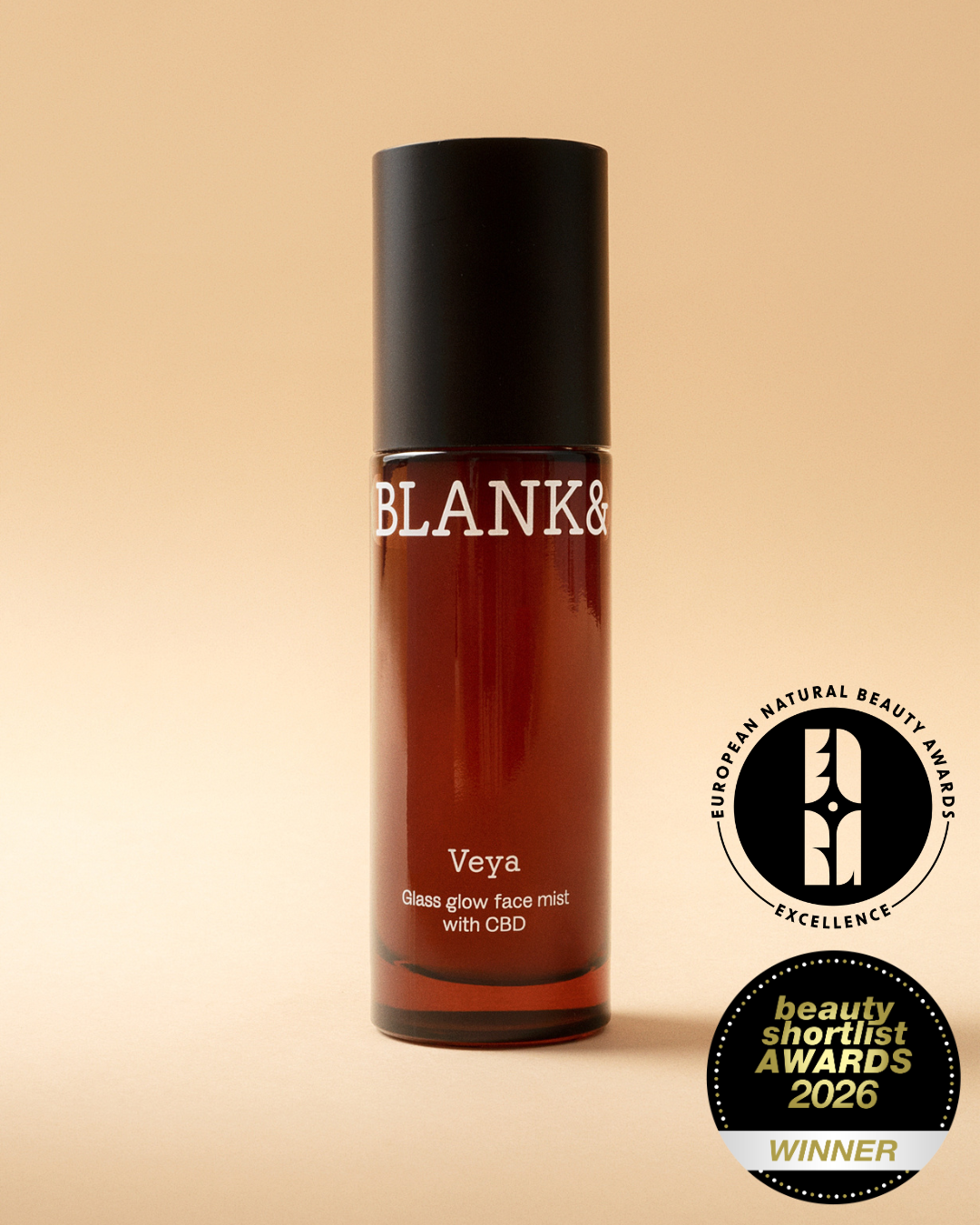
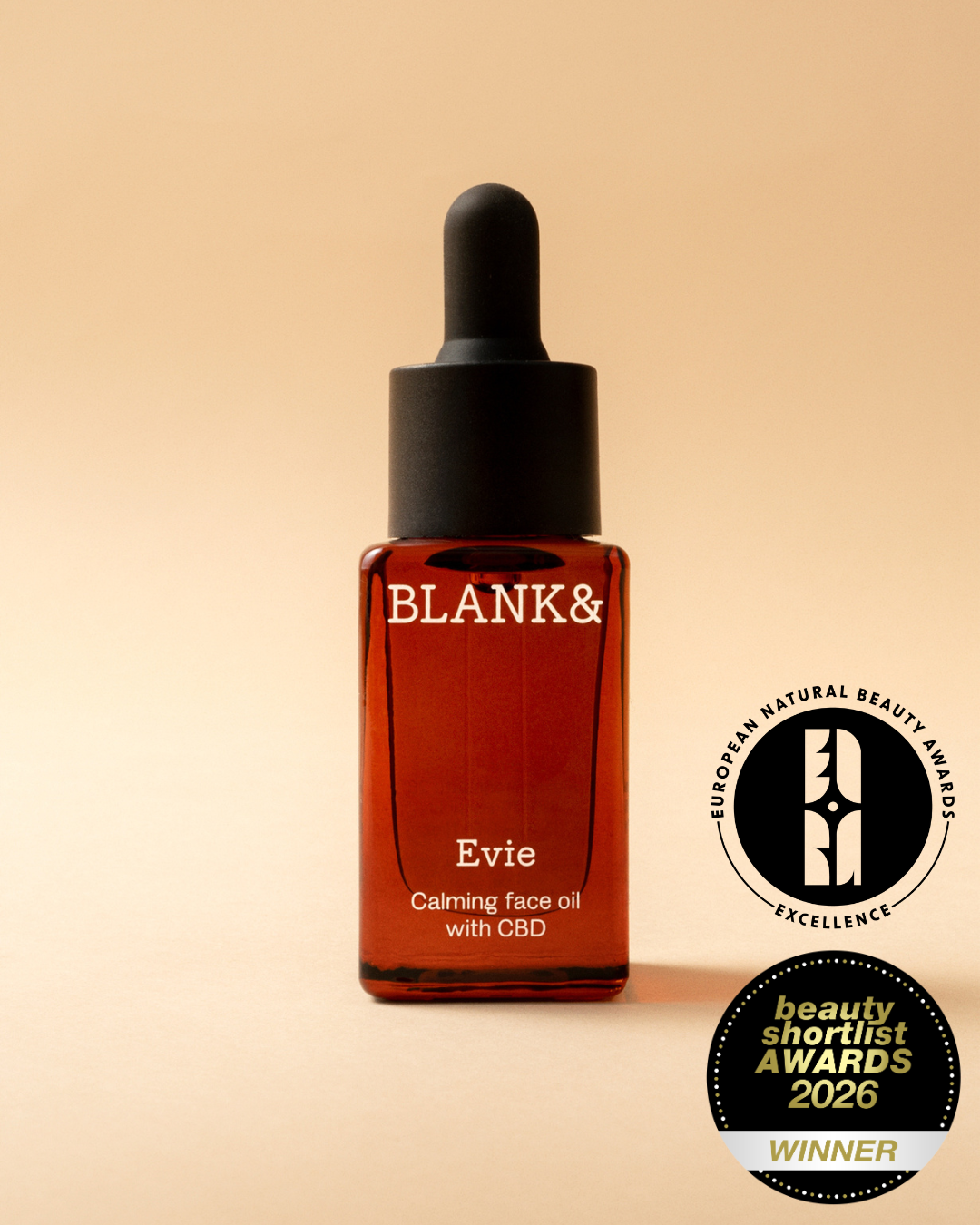
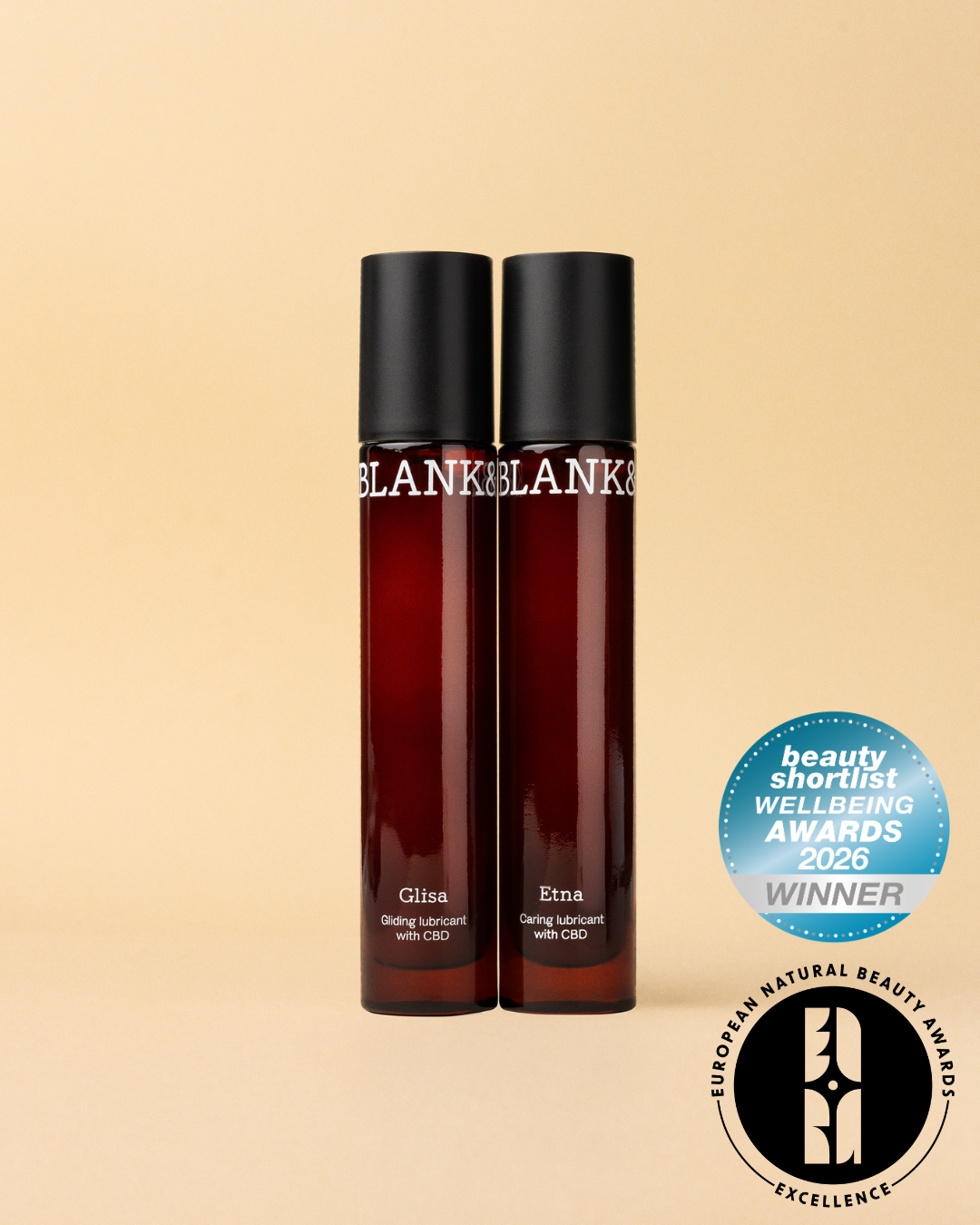
The CBD we use in Blank& products is food-grade quality, the same standard used in dietary supplements across Europe. In Finland, our products are sold only as cosmetics, but the quality of our ingredients goes beyond and hopefully in the future we are allowed to communicate also about the effects CBD has as a supplement.
How it works in Finland
Finland is one of the strictest CBD markets in Europe, which tends to surprise people. Three different authorities have a say: Fimea (medicines), the Finnish Food Authority (food and supplements), and Tukes (cosmetics).
In short, if a CBD product is marketed for internal use, Fimea treats it as a medicine. You'd need a prescription. CBD oil can't be sold as a food supplement. Many other countries base their legislation on the EU Court of Justice’s ruling, whereas Finland takes the strictest possible line.
But CBD cosmetics are legal. As long as the product meets EU cosmetics standards, passes safety assessments, and contains less than 0.2% THC, it can be sold here.
This is exactly why Blank& products are formulated and registered as cosmetics. Our CBD comes from organic hemp grown in Croatia, and every batch is tested by our supplier. We keep our THC content at 0.01% or 0%, well below any legal limit. In a market where trust matters more than hype, we believe that transparency is everything.
And in the rest of Europe?
The picture changes a lot once you cross a border. Even within the EU, where you'd expect things to be consistent, countries interpret the rules quite differently.

Germany is the largest CBD market in Europe. Products under 0.2% THC are widely sold, including oils and cosmetics. In Berlin for example you can find many CBD shops where products both for people and animals are sold. In Germany, even doctors direct patients to the selection available in CBD shops to seek self-care solutions, for example for pain conditions.
In the Czech Republic, regulation is even more relaxed: Low-THC cannabis products (up to 1% THC) can be legally sold and consumed by adults in licensed specialty stores since mid-2025.
Despite the Netherlands’ reputation for cannabis tolerance, its CBD rules are among Europe's strictest. The THC limit is just 0.05%, and all CBD must be imported since extraction is banned in the country. But unlike Finland, you can actually buy and consume CBD supplements there. The law is strict but clear.
Switzerland is on the other end of the spectrum. CBD products can contain up to 1% THC, five times higher than the EU standard, and you can find CBD flowers, oils, and cosmetics sold openly alongside tobacco products. It's one of the most mature CBD markets in Europe.
The UK, which left the EU but kept the Novel Food framework, has moved faster than the rest of Europe regarding edible CBD. In the UK you can find everything from gummies and drinks, from the Soho House minibar to the UK´s leading Helath and Wellness Store Holland & Barrett.
In France CBD is sold for example as gummies, tea or for smoking. The THC limit is 0,3% per gram. In Paris, there are high-end CBD shops where high-quality ingestible products meet CBD cosmetics (picture below).

Meanwhile, countries like Ireland and Sweden take the opposite approach. Ireland enforces Novel Food rules strictly and has no approved CBD ingestibles on the market. In Sweden, only THC-free products are permitted, and the rules around what counts as "THC-free" is unclear.
Why does any of this matter to you?
Understanding local legislation makes it easier to know what CBD products you can buy and where in Europe. A good thing for consumers is that the EU’s free trade framework allows CBD food products and cosmetics to be purchased and brought — or ordered online — from any EU country to another, even if national legislation varies. What is essential within EU is that the product does not contain more than XX% THC.
It´s also important to know the laws in countries outside EU if you travel with CBD products. For example Norway doesn´t allow even CBD cosmetics, so even Blank& products are a no go there.
Also: when you understand that CBD cosmetics and supplements are governed by entirely different regulations, you can see why product quality and transparency vary so much across the market. A brand that's upfront about where its CBD comes from, how it's tested, and what's actually in the bottle is one worth paying attention to.
The regulatory landscape is slowly moving toward more consistency across Europe, but it's going to take time. Until then, the best thing you can do as a consumer is ask questions, read labels, and choose transparent and trustworthy brands.
Sources:
-
EU Cosmetics Regulation (EC) No 1223/2009 – European Commission
-
EU Novel Food Regulation (EU) 2015/2283 – European Commission
-
EFSA CBD Safety Update, September 2025 – EFSA Journal
-
CBD in Food and Drink: Inside the Regulation – Food Navigator
-
Finnish Safety and Chemicals Agency (Tukes) on CBD in Cosmetics – Tukes
-
Finnish Medicines Agency (Fimea) on CBD Classification – Fimea
-
CBD in Europe 2025: Market Overview – Prohibition Partners
-
UK FSA Novel Food Consultation, August 2025 – Food Standards Agency
-
Hemp CBD Legalization World Map, 2026 – Business Plan Templates
-
CosIng - European Commission
-
Cosing - European Commission
-
Cannabis Law Firm — Vicente LLP
-
Cannabinoid Laws in Holland - GVB Biopharma
-
CBD online store - uweed

1 comment
I am grateful for the availability of hemp oil in the United States. I was diagnosed with cancer three years ago, and despite undergoing various chemotherapy and radiation treatments, I found that they only weakened my immune system. I learned about Phoenix Tears and Rick Simpson’s hemp oil, which led me to contact him at rickcurecancerfoundation@gmail.com for this medication. To my surprise, the oil was delivered within 48 hours, and I have been undergoing treatment for the past three months. I can now share that I no longer consider myself a cancer patient and have experienced significant improvements in my health with the help of Rick Simpson’s hemp oil service. For cancer patients in the United States and Canada, I recommend reaching out to rickcurecancerfoundation@gmail.com for hemp oil.