
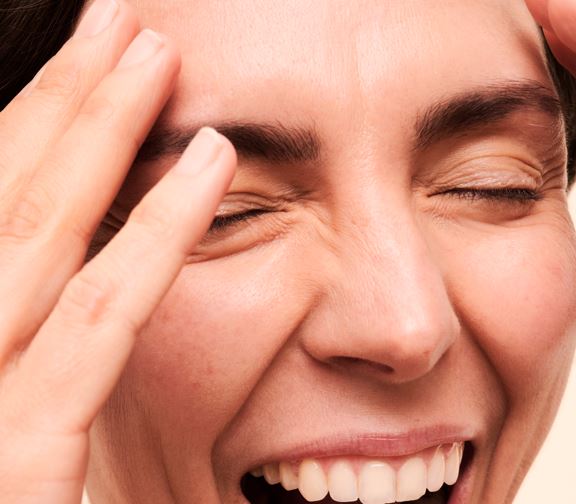
Have you ever noticed that during particularly stressful periods your skin feels drier than usual, becomes more sensitive, breaks out more easily, or simply loses its natural glow? You're not imagining it.
Life is full of things we cannot control. Busy schedules, work, studies, relationships, and major life changes can place a greater burden on us than we often realize. While our minds may try to keep up, our bodies are usually the first to signal that we're under increased pressure—and one of the most visible places this shows is our skin. Research has shown that prolonged stress can affect the skin in many different ways, from weakening the skin barrier to influencing collagen production.
How Does Stress Affect the Body?
Stress is a completely natural part of life, and everyone experiences it. Our bodies are designed to respond to stress—it is a survival mechanism that helps us cope with change, challenges, and pressure.
When we encounter a stressful situation, both the body and mind respond physically and mentally. Our heart rate increases, breathing becomes faster, and our senses become sharper. The body prepares for action through the well-known "fight or flight" response. During this stress response, the body releases several hormones, most notably adrenaline and cortisol. These hormones help us react quickly and use energy efficiently in demanding situations.
Not all stress is the same. Short-term stress may arise from temporary situations such as deadlines, public speaking, or a busy day. Chronic stress develops when the body does not have enough time to recover and remains under continuous pressure for an extended period.
Although the stress response is beneficial in the short term, prolonged stress can affect the body on many levels. It may influence sleep quality, immune function, digestion, and cardiovascular health. Long-term stress can also increase inflammation throughout the body and contribute to symptoms such as headaches, fatigue, digestive issues, and difficulty sleeping. While adrenaline and noradrenaline trigger the initial stress response, it is cortisol that plays the most significant role during prolonged stress—and this is where its effects on the skin become particularly noticeable.
Cortisol
Cortisol is a hormone produced by the adrenal glands and plays an essential role in the body's normal functioning. It helps regulate metabolism, blood pressure, blood sugar levels, immune function, and the body's natural circadian rhythm. Cortisol is released naturally throughout the day, with levels typically peaking in the morning to help us wake up and start the day.
During stressful situations, however, cortisol production increases as part of the body's natural fight-or-flight response. In the short term, this is beneficial, as cortisol helps us manage challenging situations and restore balance once the stress has passed.
The challenge arises when stress becomes chronic and cortisol levels remain elevated for long periods. At that point, the hormone can begin to disrupt the body's natural balance and negatively affect skin health.
How Does Stress Affect the Skin?
Many of stress's effects on the skin are closely linked to elevated cortisol levels.
One of the most noticeable changes is increased sebum production. Higher cortisol levels can stimulate the skin's oil glands, leading to excess oil that may clog pores and contribute to blemishes and breakouts.
Stress is also associated with increased inflammatory activity in the body. Elevated inflammation can slow the skin's natural healing process and prolong imbalance, potentially worsening acne or triggering inflammatory skin conditions such as rosacea, eczema, psoriasis, and even shingles.
At the same time, prolonged stress can weaken the skin barrier. When this protective barrier is compromised, the skin loses moisture more easily and becomes more vulnerable to external irritants. As a result, the skin may feel dry, tight, and increasingly sensitive.
Long-term stress may also affect structural proteins such as collagen. As collagen production and skin renewal slow down, the skin can gradually lose firmness, elasticity, and its healthy radiance, leaving it looking dull or tired.
CBD – A Calming Solution for Stressed Skin
When skin is stressed and sensitized, it doesn't necessarily need more active ingredients or stronger skincare products. More often, what it needs is calm, nourishment, and support to restore its natural balance. During these periods, the skin barrier is often compromised, and over-treating the skin can actually prolong irritation.
In recent years, CBD has attracted growing interest in skincare research due to its antioxidant and skin-soothing properties. Current research suggests that CBD may help:
-
support the skin's natural balance
-
strengthen the skin barrier
-
calm visible redness and irritation
-
protect the skin from oxidative stress caused by environmental factors, helping to reduce the effects of premature skin ageing

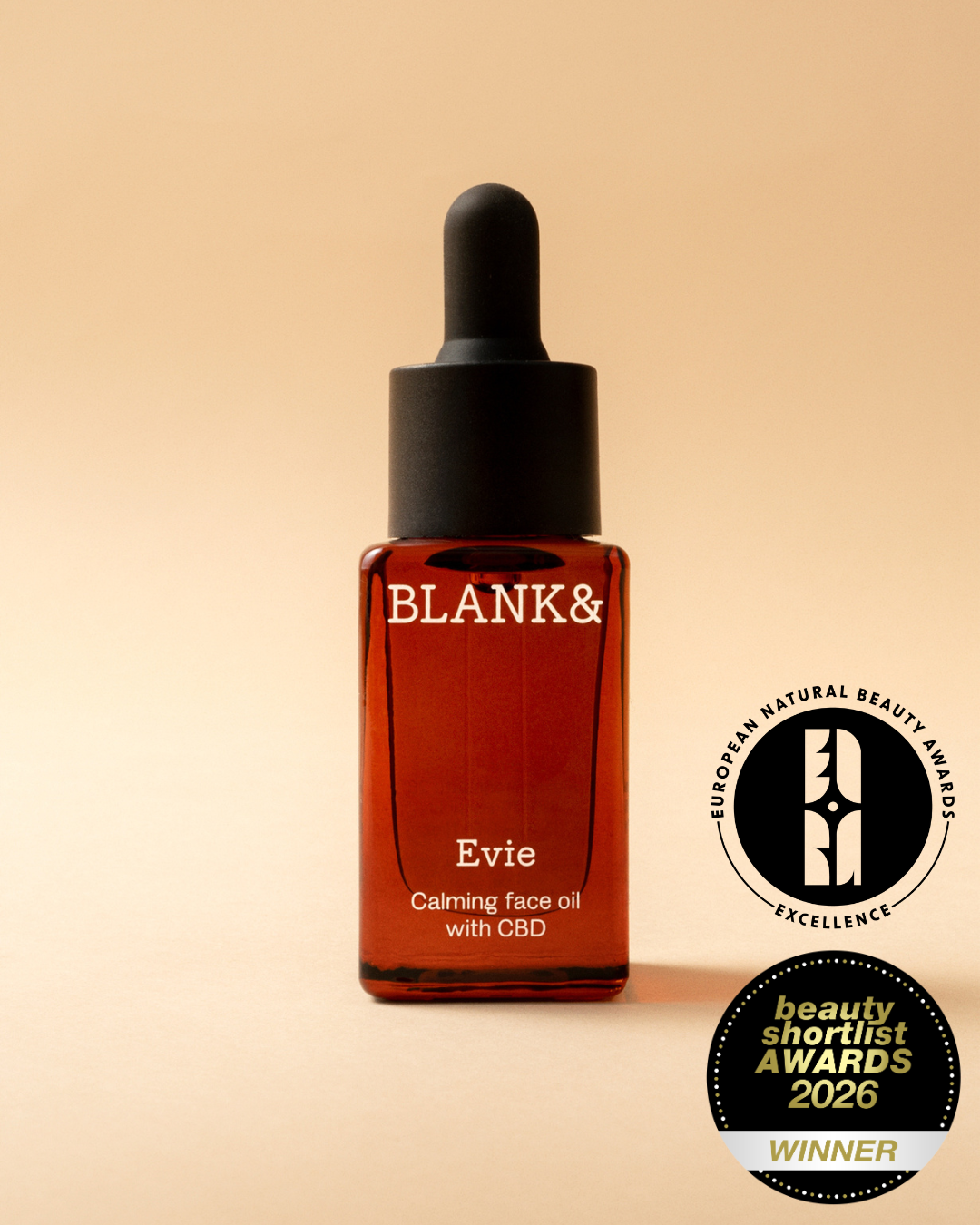
Blank& Amio and Evie face oils have been specifically developed to support dry, sensitive, and irritated skin. They help nourish and soothe the skin while creating a protective layer that locks moisture into the skin and reinforces its natural barrier.
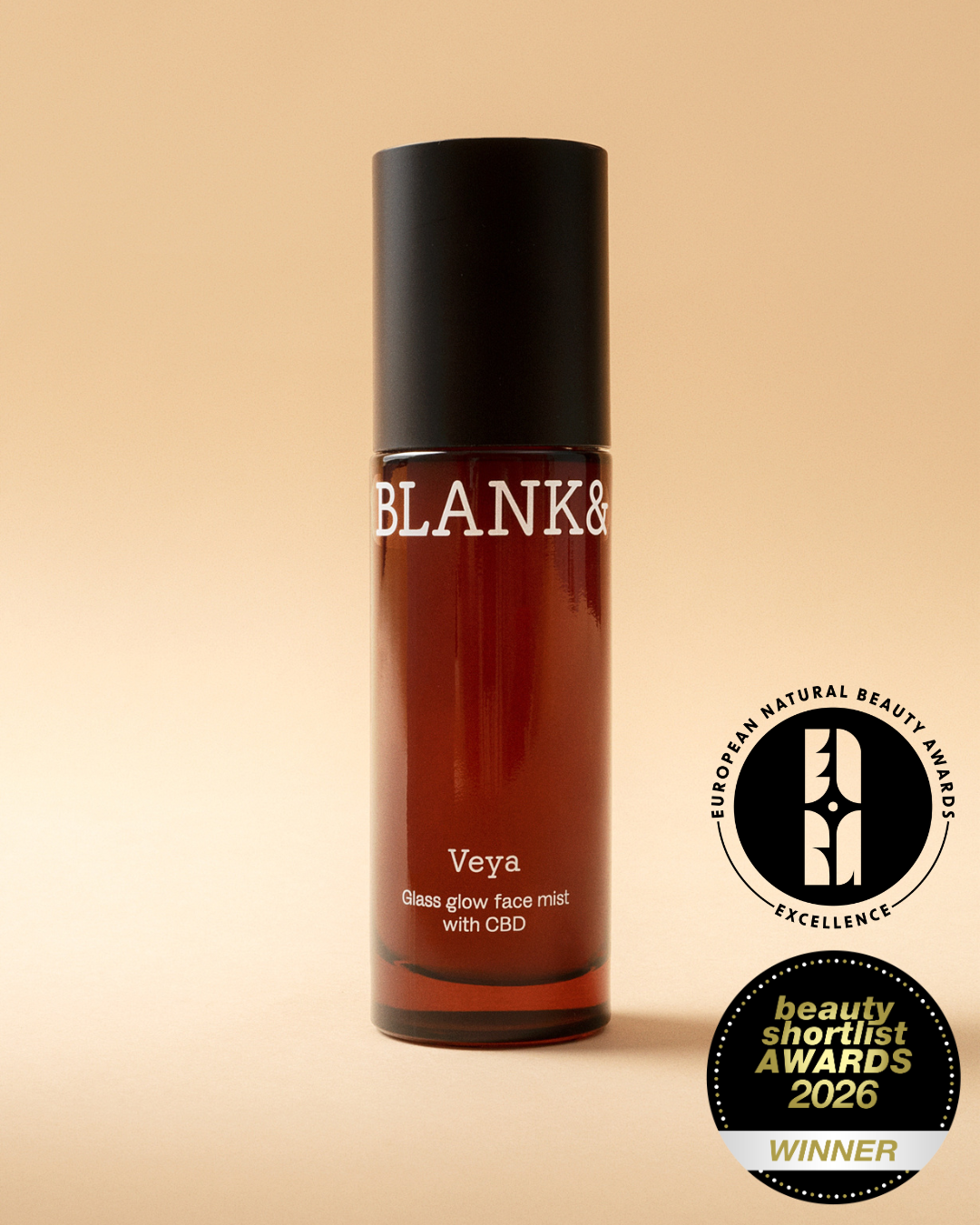
Veya Face Mist is designed to deliver an instant boost of hydration throughout the day. Rich in humectants, it helps attract and retain moisture in the skin while supporting optimal hydration levels. Its lightweight formula makes it perfect for use whenever the skin feels dry or tight—even over makeup.
These products also contain carefully selected essential oils, including lavender. Certain essential oils may provide calming benefits when used as part of a skincare routine. Their natural aromas can encourage relaxation, help reduce feelings of stress, and promote a greater sense of wellbeing as part of a holistic self-care ritual.
For particularly sensitive or inflamed areas, Neo CBD Booster is an excellent targeted treatment. It can be applied directly to affected areas or mixed with a few drops into your favourite moisturiser to enhance its nourishing benefits. Neo can also be used on larger areas of the body, such as dry patches of skin or the scalp.
Healthy Skin Starts Beneath the Surface
If your skin continues to react without an obvious cause, it may sometimes be your body's way of telling you that it's time to slow down and make more room for recovery.
While the right skincare products can help minimise the visible effects of stress, it's equally important to pay attention to your overall wellbeing. Mind and body are deeply connected. Quality sleep, a balanced diet, regular exercise, sufficient rest, and even small moments of relaxation all contribute to your overall health—and your skin often reflects that.
If skin concerns are severe or persistent, it is always advisable to consult a healthcare professional.
Your skin tells the story of your wellbeing every single day. It deserves time, kindness, and care—just as you do.

Read more:

0 comments